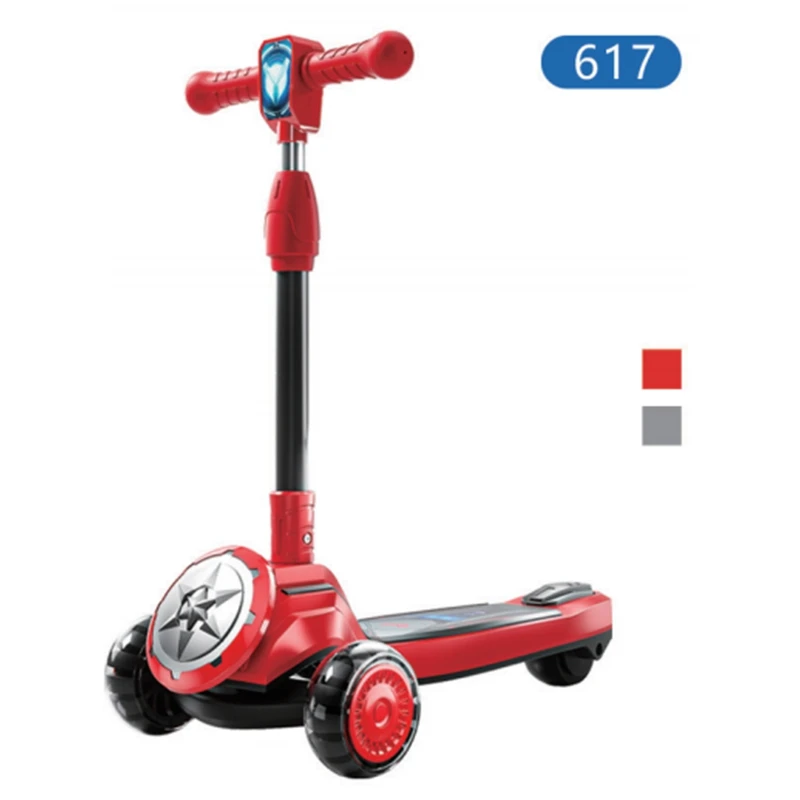
1. First, the battery. Most self-balancing scooters use lithium batteries. Lithium batteries are susceptible to damage from overcharging and over-discharging. Lithium batteries have no memory effect and can be charged and used at any time, even for a short period, such as 5 minutes. However, they should not be charged continuously for too long (overcharging). Overcharging can cause the battery to swell and become damaged, and may even lead to an explosion. Generally, 2 hours is enough for a self-balancing scooter, or you can stop charging when the green light comes on. Never leave it unattended to charge overnight. Another characteristic of lithium batteries is that if they are not used or charged for a long time, they will discharge and become damaged (over-discharged, commonly known as "starving"), requiring the purchase of new batteries, which is another expense. Therefore, protecting the battery will extend the life of your self-balancing scooter.
2. Safety is paramount. Because self-balancing scooters do not have brakes like other vehicles, they should never be used on roads, in flooded areas, or on uneven surfaces.
3. Electronic products must be protected from water damage. 4. Do not play with the balance bike when it is low on power. Unlike electric bikes, which can continue to move by sitting on them and pushing off the ground when the battery is dead, balance bikes require the rider to stand on them. A low battery will cause unstable speed, increasing the risk of falls. Therefore, if the battery warning light comes on, be sure to charge it before playing. Of course, letting the balance bike sit for 20 minutes to allow it to cool down before charging is also safer, especially in the hot summer.